

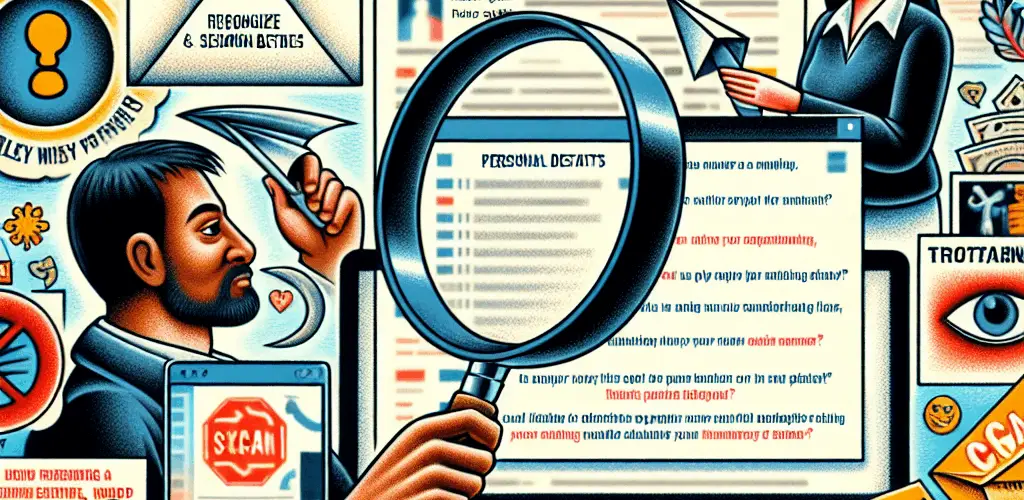
Overview of Scams Targeting Online Banking Users
In the digital age, online banking has become a convenient and essential service for many individuals. However, with the rise of online banking, there has also been an increase in scams targeting unsuspecting users. Understanding these scams is crucial to safeguarding your financial information and assets. This page provides an overview of the most common online banking scams, helping you to recognize and avoid them.
Phishing Scams
Phishing scams are one of the most prevalent threats to online banking users. In these scams, fraudsters impersonate legitimate financial institutions to trick users into providing sensitive information such as usernames, passwords, and credit card details. Typically, phishing attempts come in the form of emails or text messages that appear to be from your bank, urging you to click on a link or download an attachment. Once you do, you may be redirected to a fake website that looks identical to your bank’s official site, where your information can be stolen.
Vishing and Smishing
Vishing (voice phishing) and smishing (SMS phishing) are variations of phishing scams. In vishing, scammers use phone calls to impersonate bank representatives, convincing you to share personal information over the phone. Smishing, on the other hand, involves sending fraudulent text messages that contain malicious links or request personal information. Both methods rely on creating a sense of urgency or fear to prompt quick action from the victim.
Malware Attacks
Malware attacks involve malicious software that is unknowingly installed on your device, often through email attachments, downloads, or compromised websites. Once installed, malware can capture keystrokes, steal login credentials, and gain access to your online banking accounts. Some sophisticated malware can even bypass two-factor authentication, making it a significant threat to your financial security.
Man-in-the-Middle Attacks
Man-in-the-middle (MitM) attacks occur when a cybercriminal intercepts communication between you and your bank. This can happen over unsecured Wi-Fi networks or through compromised devices. The attacker can eavesdrop on your transactions, alter communications, and steal sensitive information without your knowledge. Using secure, encrypted connections and avoiding public Wi-Fi for banking transactions can help mitigate this risk.
Fake Banking Apps
With the proliferation of mobile banking, fake banking apps have become a common scam. These apps mimic legitimate banking applications and are often distributed through unofficial app stores or malicious websites. Once installed, they can capture your login credentials and other sensitive information. Always download banking apps from official app stores and verify the developer’s authenticity before installation.
Social Engineering Scams
Social engineering scams exploit human psychology to gain access to personal information. Scammers may pose as bank employees, technical support, or even friends and family to manipulate you into revealing confidential information. These scams often involve building a rapport with the victim to gain trust before requesting sensitive data or access to accounts.
Protecting Yourself from Online Banking Scams
To protect yourself from online banking scams, it’s essential to remain vigilant and informed. Always verify the authenticity of communications from your bank, and never click on suspicious links or download attachments from unknown sources. Use strong, unique passwords for your banking accounts and enable two-factor authentication whenever possible. Regularly monitor your bank statements for unauthorized transactions and report any suspicious activity to your bank immediately. By staying aware of these common scams and taking proactive measures, you can significantly reduce the risk of falling victim to online